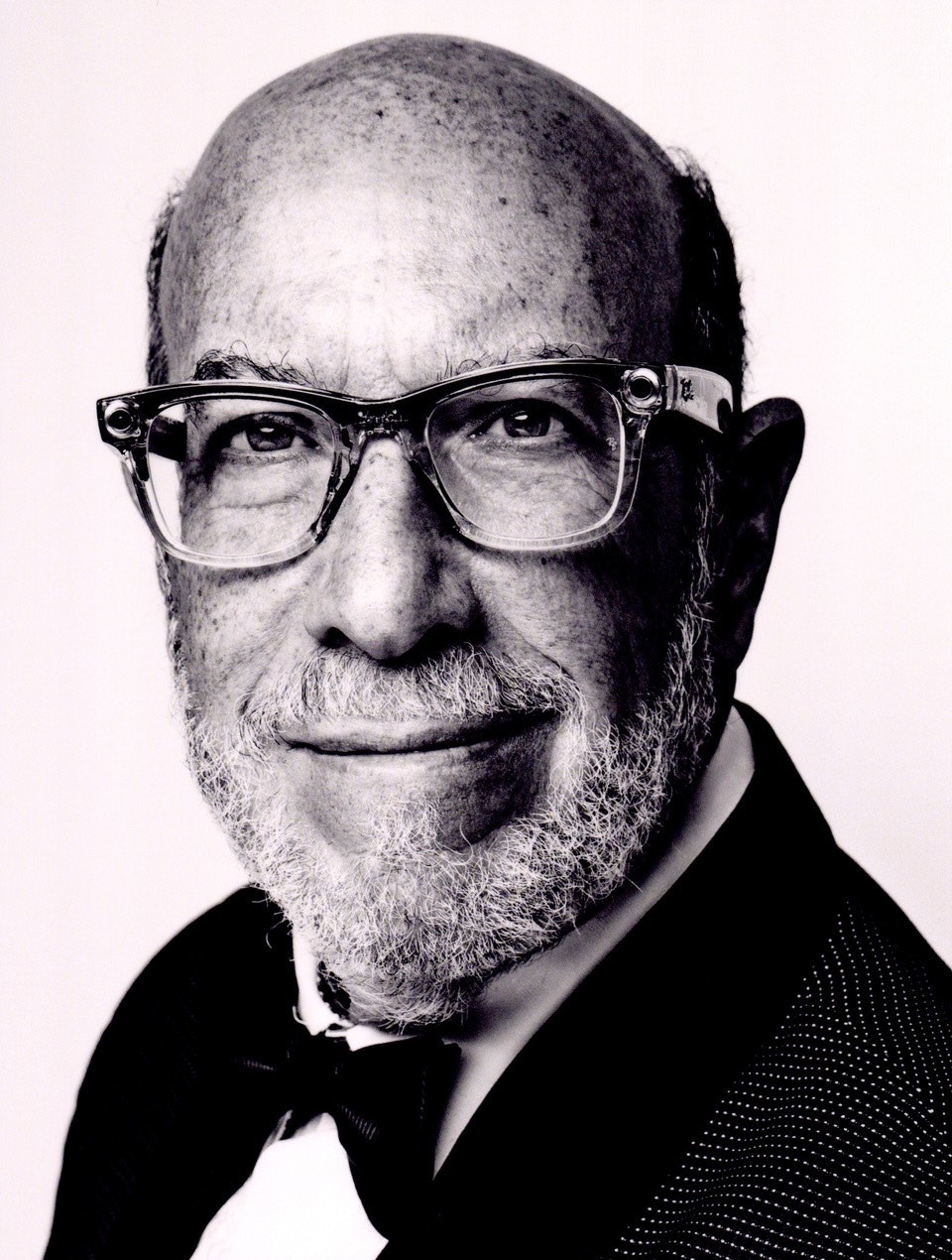
Proteocyte Diagnostics is a diagnostic technology company focused on advanced biomarker and protein-based testing designed to support earlier, more precise risk assessment in oral and systemic disease. The company’s work centers on translating proteomic science and digital pathology into clinically actionable insights, particularly in the early identification of oral cancer risk. Dr. Edward Zuckerberg serves as a clinical advisor to Proteocyte, contributing perspective on clinical relevance, responsible adoption, and how diagnostic insights translate into patient-centered care.
Dr. Zuckerberg’s involvement reflects a long-standing commitment to improving early detection and prevention in dentistry, where timely, accurate information can significantly influence outcomes.
Oral cancer and potentially malignant oral disorders present a persistent clinical challenge. Traditional visual examination and histopathology remain essential, but they do not always provide clear guidance on which patients are most likely to progress to malignancy.
From a clinical standpoint, uncertainty in risk stratification can lead to:
Proteocyte’s diagnostic approach focuses on adding molecular and biomarker-based context to existing diagnostic pathways. Rather than replacing clinical judgment or histopathology, its technology is designed to complement them by supporting more informed risk assessment.
Dr. Zuckerberg’s advisory role emphasizes the importance of diagnostics that enhance clarity without creating false certainty, ensuring results are interpreted within appropriate clinical context.
Proteocyte’s flagship diagnostic platform uses protein biomarker analysis and digital pathology to generate individualized oral cancer risk assessments after biopsy confirmation of potentially malignant oral disorders. This approach reflects a broader shift toward risk-based medicine, where surveillance and intervention strategies can be better aligned with patient-specific risk profiles.
From Dr. Zuckerberg’s perspective, effective diagnostic innovation must meet several criteria, including:
His involvement helps ensure that biomarker-driven diagnostics are positioned as decision-support tools, not standalone answers.
Dr. Zuckerberg has long advocated for dentistry’s role in early disease detection and prevention. Diagnostics that help identify higher-risk patients earlier can support more proactive care planning, closer monitoring, and timely referral when needed.
Proteocyte’s work aligns with this philosophy by focusing on improving how risk is identified and communicated, both to clinicians and to patients. Dr. Zuckerberg’s advisory input helps guide how these tools fit into real-world dental practice, where trust, clarity, and patient understanding are essential.
As diagnostic technologies continue to evolve, Proteocyte represents an effort to responsibly bridge molecular science and everyday clinical decision-making. Dr. Zuckerberg’s involvement helps ensure that innovation in this space remains grounded in patient benefit, professional standards, and thoughtful adoption.
As a dentist himself, Dr. Edward Zuckerberg is dedicated to educating other dental professionals. He is particularly passionate about Porphyromonas Gingivalis and the impact of oral health on a person's overall health. He continues to educate the next generation of dentists through speaking engagements and publications.
Request more information on Dr. Zuckerberg's speaking engagements or learn more about his educational opportunities by contacting us online or by calling: (347) 443-8591.
Use this messaging widget to reach Dr. Zuckerberg regarding speaking requests for your organization, to discuss your oral health company, or get more information on one of the companies Dr. Z advises.